
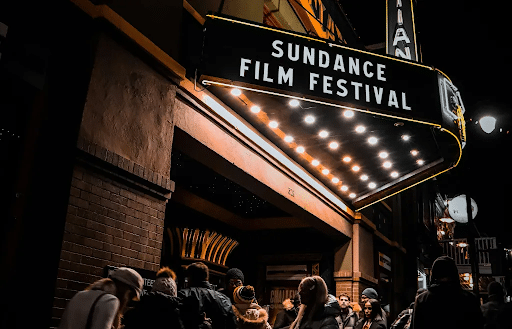
Entering the world of film festivals with a short film can be both exciting and overwhelming for first-time filmmakers. While passion drives the creative process, proper preparation ensures that the film does not only get finished but also finds its way to the right audience through festivals. Understanding what needs to be prepared before targeting festivals is a crucial step.
1. Understanding the Value of a Short Film
Short films are not just “practice works” for beginners. Many festivals see short films as powerful storytelling devices that can leave a lasting impact in a limited timeframe. Before distribution, filmmakers must understand the strength of their short film—whether it is experimental, narrative-driven, documentary, or animation—and identify its unique value that makes it stand out.
2. Preparing the Technical Quality
Even the most creative story may struggle in festivals if the technical aspects are overlooked. Preparation includes:
- Sound Quality: Poor audio often becomes a deal-breaker. Clear sound and proper mixing are essential.
- Visual Quality: Proper color grading and stable cinematography improve the overall experience.
- Subtitles: If the film uses a local language, accurate and well-timed subtitles in English (or other widely used languages) increase accessibility for international festivals.
- File Formats: Knowing the standard screening formats (DCP, ProRes, or HD .mp4) avoids rejection at the technical stage.
3. Identifying the Festival Target
Not every festival suits every short film. Filmmakers should research which festivals focus on their genre, theme, or style. For example:
- A short about human rights may work better at festivals with a social justice theme.
- An experimental short may find its audience at avant-garde or independent film festivals.
- A student short film may fit into festivals with “emerging talent” sections.
By defining the right target, filmmakers increase their chance of acceptance rather than blindly submitting to every festival.
4. Creating a Festival-Ready Package
Festivals don’t only judge films based on their content but also on how professionally they are presented. A filmmaker should prepare:
- Synopsis (Short & Long Versions): A clear description that highlights the story and emotional hook.
- Director’s Statement: A personal explanation of why the film was made and what it means.
- Poster & Stills: Professionally designed visuals for festival catalogs and promotional use.
- Trailer or Teaser: A short preview that builds excitement and communicates the film’s tone.
This package becomes the “face” of the film before the programmer even watches it.
5. Building a Strategy before Submission
Planning ahead avoids wasted time and money. Some strategies include:
- Setting Priorities: Decide whether to aim for top-tier festivals (Sundance, Cannes Shorts, Berlinale Shorts) or smaller, niche festivals.
- Budgeting for Submissions: Festival fees can add up quickly, so select carefully.
- Timeline Planning: Understand the deadlines and screening dates to match the film’s release schedule.
6. Networking and Community Awareness
Being part of the festival circuit is not only about screening but also about networking. Filmmakers should:
- Participate in Q&A sessions, panels, and workshops if selected.
- Connect with programmers, fellow filmmakers, and distributors.