
(Written by: Andy Raditya Satyatikta & Filbert Nathaniel M)
Cinematography is often described as painting with light and motion. While a director provides the story and overall vision, the cinematographer—or Director of Photography (DP)—is the one who translates vision into images that move and breathe on screen. The collaboration between a director and cinematographer is one of the most crucial partnerships in filmmaking, which is balancing artistic interpretation with technical mastery.
Behind every frame, lies a series of decisions, subtle tricks, and creative strategies that cinematographers use to transform an abstract idea into a tangible reality. These are not merely technical choices; they are storytelling devices that affect how the audience feels, what they notice, and even how they interpret the narrative.
In this article, we will explore the “secrets” cinematographers use to bring a director’s vision to life. Some are based on technical expertise, others on psychology, and many are rooted in decades of craft and tradition.
The Foundation of Cinematographic Storytelling
1. Understanding the Director’s Language
Every director communicates differently. Some are highly visual, describing specific shots or referencing paintings, while others talk about emotion, rhythm, or themes. The cinematographer’s first secret is learning to translate the director’s language into visual terms.
A director might say, “I want this scene to feel suffocating.” The cinematographer then should know how to use tighter framing, shallow depth of field, or low ceilings in the composition. Another director might say, “This should feel like a dream,” which might suggest soft lighting, haze, or slow camera movement.
The DP acts as both translator and interpreter.
2. Building Trust and Collaboration
The relationship between a director and cinematographer is built on trust. The DP must not only understand the vision but also challenge and refine it when necessary. The secret here is knowing when to follow instructions and when to propose an alternative that better serves the story.
Secrets of Light
Lighting is the soul of cinematography. It sets tone, mood, and atmosphere.
1. Motivated Lighting
Cinematographers often ask: Where would the light logically come from in this scene? If the scene takes place in a kitchen at night, the motivated sources might be the overhead light, a refrigerator glow, or a streetlamp through the window. By grounding lighting in reality—even when stylized—the scene would feel authentic.
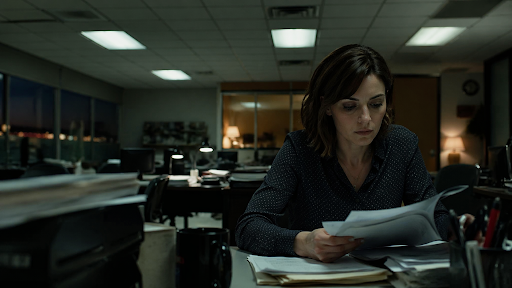
motivated lighting examples
2. Shaping with Shadows
Light without shadow is flat and uninteresting. The best cinematographers shape faces and environments with contrast. Shadows hide information, create mystery, and emphasize depth. A villain may lurk in partial shadow, while a hero is lit with clarity.
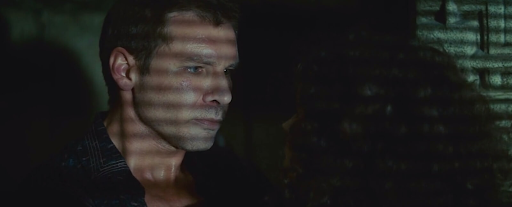
3. Color Temperature Build Emotion
Warm tones often feel comforting, romantic, or nostalgic, while cool tones can suggest sadness, detachment, or unease. By shifting color temperature, cinematographers subtly guide emotional responses.
4. The Magic of Practical Lights
Instead of hiding all light sources, cinematographers use practicals, lamps, candles, neon signs, not only as motivation but also as part of the visual design. They add authenticity while shaping the frame.
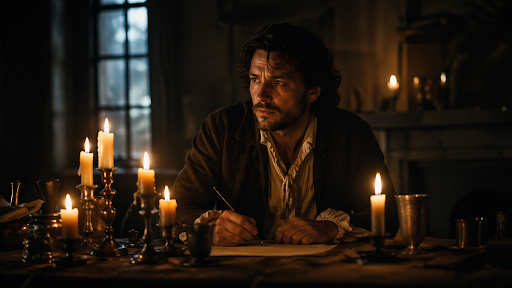
Practical Lights examples
Secrets of Composition
1. Framing for Emotion
The placement of a character within the frame can alter perception. Center-framed subjects often feel stable and powerful. Placing them on the edge creates tension or isolation.
2. Rule of Thirds, and Breaking It
Many shots use the classic rule of thirds for balance. But breaking it intentionally, such as placing a character in an unusual corner of the frame, can heighten discomfort or emphasize imbalance.
3. Depth and Fields
The best cinematographers avoid flat images. They build layers: foreground, midground, and background. This creates depth and makes the audience feel immersed in the scene.
4. Leading Lines
Architecture, props, or even light beams can guide the viewer’s eyes toward the subject. Cinematographers use this trick to ensure focus lands exactly where intended.
Secrets of Camera Movement
1. Static & Moving Camera
Stillness can feel powerful, while movement adds energy. A sudden switch from handheld chaos to a locked tripod shot can dramatically shift the audience’s perception.
2. Motivated Movement
Like lighting, movement should be motivated. If the camera moves, there must be a reason—following a character’s gaze, revealing new information, or enhancing emotional intensity.
3. Handheld for Intimacy
Handheld shots mimic human presence. They feel raw and immediate, often used for emotional or chaotic scenes.
4. Long Takes as Immersion
A long, uninterrupted shot draws the audience into real time. Used wisely, it creates tension or intimacy, as in Children of Men (2006) or 1917 (2019).
Secrets of Lenses
1. Wide & Telephoto
Wide lenses exaggerate space and motion, making the viewer feel inside the scene. Telephoto lenses compress space, isolating subjects and flattening perspective.
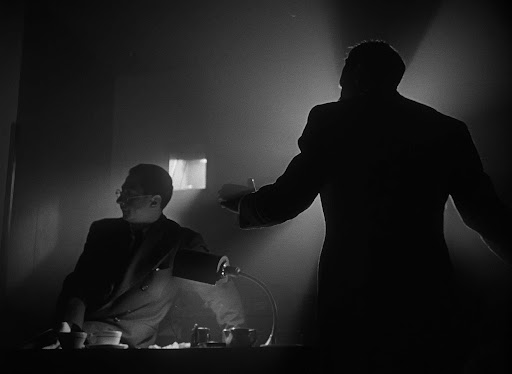
2. Depth of Field
Shallow focus isolates characters, directing attention. Deep focus, on the other hand, allows multiple planes of action, used famously in Orson Welles’ Citizen Kane.
3. Distortion for Effect
Sometimes cinematographers embrace lens distortion—fish-eye warps, extreme wide-angles—to emphasize surrealism or discomfort.
The Power of Pre-Visualization
Before stepping on set, cinematographers often work with directors to create storyboards, shot lists, and even 3D pre-vis animations. These serve as roadmaps, ensuring that when time and budget pressure hit, the vision is already clear.
But the secret is: they don’t treat pre-vis as unchangeable. It’s a guide, not a prison. Flexibility remains essential.
Secrets in Working with Actors
Though not often discussed, cinematographers shape performances as much as directors. The DP decides how close the camera gets to an actor, how long it lingers, and what kind of intimacy it conveys.
- A tight close-up during a monologue highlights vulnerability.
- A wide shot during the same dialogue might emphasize loneliness.
Actors often respond differently when a camera invades their space versus when it observes from afar. Cinematographers use this psychological trick to enhance performance.
The Invisible Language of Color
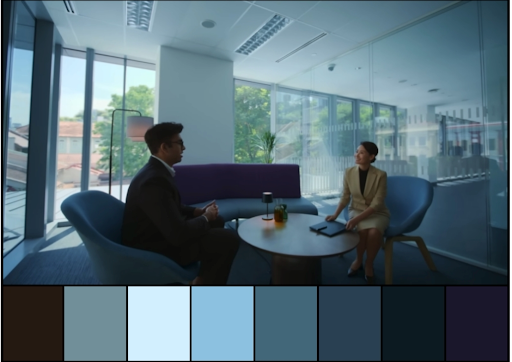
1. Color Palettes
Cinematographers collaborate with production designers and colorists to craft palettes. Muted tones may suggest realism, while saturated palettes feel stylized.
2. Symbolic Colors
Red may symbolize passion or danger. Green may suggest unease or sickness. Consistent symbolic use builds subconscious associations for viewers.
3. Matching Vision Across Departments
The DP ensures costumes, set design, and lighting all work within the agreed palette, preventing clashes that distract from storytelling.
Collaboration Across All Departments
The cinematographer doesn’t just work with the director. Their secrets involve cross-department synergy:
- Production Design: Ensuring sets allow for proper framing and lighting.
- Costume Design: Advising on fabrics that react well under certain lights.
- VFX: Planning shots that will be integrated with computer graphics.
- Sound Department: Coordinating camera placement with microphone setups.
A DP who ignores these collaborations risks making images that look great alone but fail in the larger cinematic context.
Adapting to Constraints
One of the greatest secrets is adaptability. Cinematographers often work under extreme limitations—budget, weather, time. Instead of seeing these as obstacles, they turn them into creative opportunities.
- If a crane is unavailable, a handheld shot may feel more personal.
- If rain ruins exterior lighting, it may add an unexpected atmosphere.
- If the schedule cuts time, prioritizing essential shots ensures the story survives.
Great cinematographers know how to pivot gracefully, while also persevering the story elements.
Case Studies
Blade Runner 2049 (Roger Deakins)
Deakins used controlled light and color to create a futuristic yet believable world. His secret was integrating naturalism with stylization, making the film both grounded and surreal.
Roma (Alfonso Cuarón and Galo Olivares)
Shot in black and white, the cinematography relied on deep focus and wide lenses to immerse the viewer in everyday life. The secret was patience—allowing scenes to unfold naturally without excessive cutting.
Moonlight (James Laxton)
By embracing rich color palettes and soft, expressive lighting, Laxton transformed intimate moments into poetic visual experiences. His secret was blending realism with lyrical beauty.
The Final Secret: Knowing When to Be Invisible
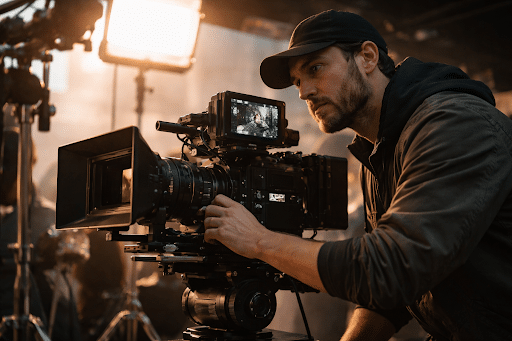
Perhaps the greatest secret cinematographers hold is knowing when not to draw attention to their work. Not every shot should be a visual spectacle. Sometimes, the best cinematography is invisible, allowing the story and performances to shine without distraction.
Conclusion
Cinematographers are more than technicians—they are storytellers who use lenses, light, movement, and composition as their vocabulary. Their secrets lie not only in technical mastery but in empathy, collaboration, and intuition.
To bring a director’s vision to life, they must listen deeply, translate creatively, and adapt constantly. When done well, the result is seamless: the audience never thinks about the camera, yet they feel its influence in every frame.
That is the art, and the secret of cinematography.
Great visuals don’t happen by chance—they’re crafted with intention, expertise, and a deep understanding of storytelling. If you’re ready to see your vision translated into compelling imagery, Heroes Pictures is here to make it happen.
Let’s bring your story to life with precision, creativity, and a cinematic touch that leaves a lasting impression.